Electronic Titles: A Complete Breakdown for Car Buyers and Vendors
Electronic Titles: A Complete Breakdown for Car Buyers and Vendors
[caption id="attachment_441" align="aligncenter" width="2560"]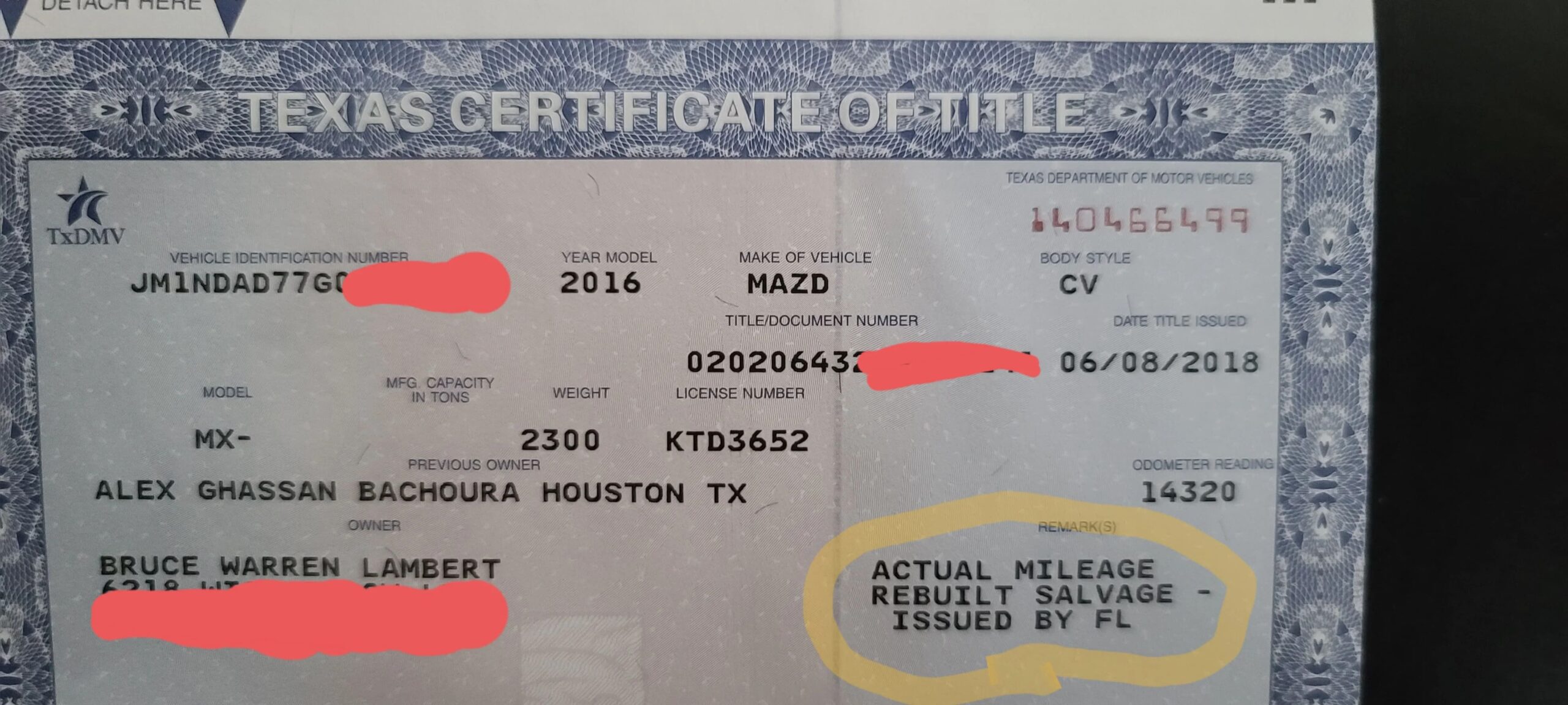 Branded Title Near Me[/caption]
The automotive industry is undergoing a digital transformation, and one of the most impactful innovations in recent years is the adoption of Electronic Titles, also known as e-Titles. These digital documents are revolutionizing how car ownership is recorded, transferred, and managed by both buyers and vendors.
In this comprehensive breakdown, we explore the critical aspects of electronic titles, how they work, their legal standing, advantages over paper titles, and what both buyers and vendors need to know to leverage them effectively.
What Is an Electronic Title (e-Title)?
An Electronic Title is a digital version of the traditional paper vehicle title. It contains the same essential information, such as the vehicle identification number (VIN), ownership data, and lienholder information, but is stored electronically by the state’s Department of Motor Vehicles (DMV) or equivalent agency.
Instead of issuing a physical certificate, the DMV retains the title in a secure digital format, streamlining title transfers, lien releases, and registration updates.
Key Features of Electronic Titles
Digitally stored and accessible via state DMV systems
Tamper-proof and secure against fraud or forgery
Can be transferred electronically between owners, dealers, or financial institutions
Often integrated with Electronic Lien and Title (ELT) systems
Supported in multiple U.S. states, with others actively transitioning
States That Support Electronic Titles
As of now, several states have fully adopted or piloted electronic titling systems, including:
California
Florida
Arizona
Texas
Ohio
Georgia
Nevada
Each state’s implementation varies, but the trend toward paperless vehicle titles is expanding rapidly across the U.S.
How the Electronic Title Process Works
For Buyers:
Purchase Completion – After buying a vehicle, the seller initiates the transfer process online.
DMV Updates Title – The DMV updates the title record in their system to reflect the new owner.
No Paper Issued – Instead of receiving a paper title, the buyer receives a notification or confirmation of the transfer.
Lien Recorded (If Applicable) – If the vehicle is financed, the lienholder’s information is attached digitally.
For Vendors:
Title Held Digitally – Dealers or individual sellers do not physically hold a paper title.
Transfer Via DMV Portal – The seller uses the state DMV portal to initiate the electronic transfer.
Streamlined Transactions – Many transactions can be completed without DMV visits or mailing delays.
Faster Turnaround – Titles update in real-time or within a few days, not weeks.
Benefits of Electronic Titles for Car Buyers
1. Faster Transactions
Electronic titles significantly reduce the time it takes to process a vehicle transfer. In many cases, the new owner can register and tag the vehicle within 24 to 72 hours.
2. Fraud Prevention
Unlike paper titles, electronic records are much harder to forge or alter, reducing the risk of title fraud.
3. Reduced Paperwork
With digital documentation, buyers no longer have to store or protect a physical title, which can be lost or damaged.
4. Integrated Lien Management
If you're financing a vehicle, the Electronic Lien and Title (ELT) system simplifies the release process once the loan is paid off.
Benefits of Electronic Titles for Vendors and Dealers
1. Streamlined Inventory Management
Dealerships benefit from faster turnaround between vehicle acquisition and resale. Titles are updated electronically, reducing downtime.
2. Cost Savings
Eliminating physical paperwork saves vendors on printing, mailing, and storage costs.
3. Legal Compliance and Audit Trails
Electronic systems automatically generate a verifiable audit trail, ensuring compliance with all applicable titling laws.
4. Higher Buyer Confidence
Digital transactions project professionalism and modernity, increasing trust among consumers who value transparency.
Lienholders and the ELT System
Many states operate under an Electronic Lien and Title (ELT) system, which works in tandem with electronic titles. This system allows lienholders to:
Digitally receive title information
Electronically release liens once a loan is paid
Reduce fraud by eliminating counterfeit lien releases
Speed up title delivery to the vehicle owner upon full payment
Once the lien is released, the DMV either sends a printed clean title or continues to store it electronically, depending on state policy.
Drawbacks and Considerations
While e-Titles offer a range of benefits, they also come with a few limitations:
1. Limited State Support
Not all states support electronic titles. Buyers or sellers may face complications if dealing with out-of-state transactions.
2. Digital Literacy Requirement
Accessing and managing electronic titles may be challenging for individuals unfamiliar with digital tools or state DMV systems.
3. System Downtime or Delays
DMV systems can experience outages or delays, potentially affecting access to title information during critical transactions.
How to Convert a Paper Title to Electronic
If your state supports e-Titles, converting a paper title is usually straightforward:
Contact the DMV – Check if your state offers title conversion services.
Submit Application – Some states require a form or online request.
Surrender Paper Title – You may need to mail or deliver the original title.
Wait for Confirmation – The DMV will notify you once the title is stored electronically.
Buying or Selling a Vehicle with an Electronic Title
For Buyers:
Request a title confirmation document or printout from the DMV.
Verify the seller's identity and ownership through DMV lookup tools.
Ensure that no liens are active or get documentation of lien release.
For Sellers:
Use your DMV’s online portal to initiate the sale.
Inform the buyer about the electronic nature of the title.
Be transparent about any outstanding liens or pending title transfers.
Future of Electronic Vehicle Titles
The widespread adoption of e-Titles is transforming how the automotive industry operates:
Blockchain technology is being explored for title verification and ownership tracking.
Nationwide e-Title networks could one day make interstate transactions seamless.
Enhanced integration with dealership software platforms and financial institutions will further streamline auto sales.
As legislation and infrastructure improve, electronic titles will become the standard, replacing outdated, paper-based systems.
Conclusion: Embrace the Digital Shift in Vehicle Titling
Electronic Titles are setting a new benchmark in automotive ownership. They offer efficiency, security, and convenience for buyers, sellers, dealerships, and lenders alike. As more states adopt e-Title systems and transition away from paper documentation, understanding how these titles work will be essential for navigating modern car sales.
Whether you’re buying, selling, or financing a vehicle, embracing electronic titles can save you time, reduce risks, and help you stay ahead of regulatory trends.


Comments
Post a Comment