Types of Branded Titles: A Complete Breakdown for Car Buyers and Vendors
Types of Branded Titles: A Complete Breakdown for Car Buyers and Vendors
[caption id="attachment_441" align="aligncenter" width="2560"]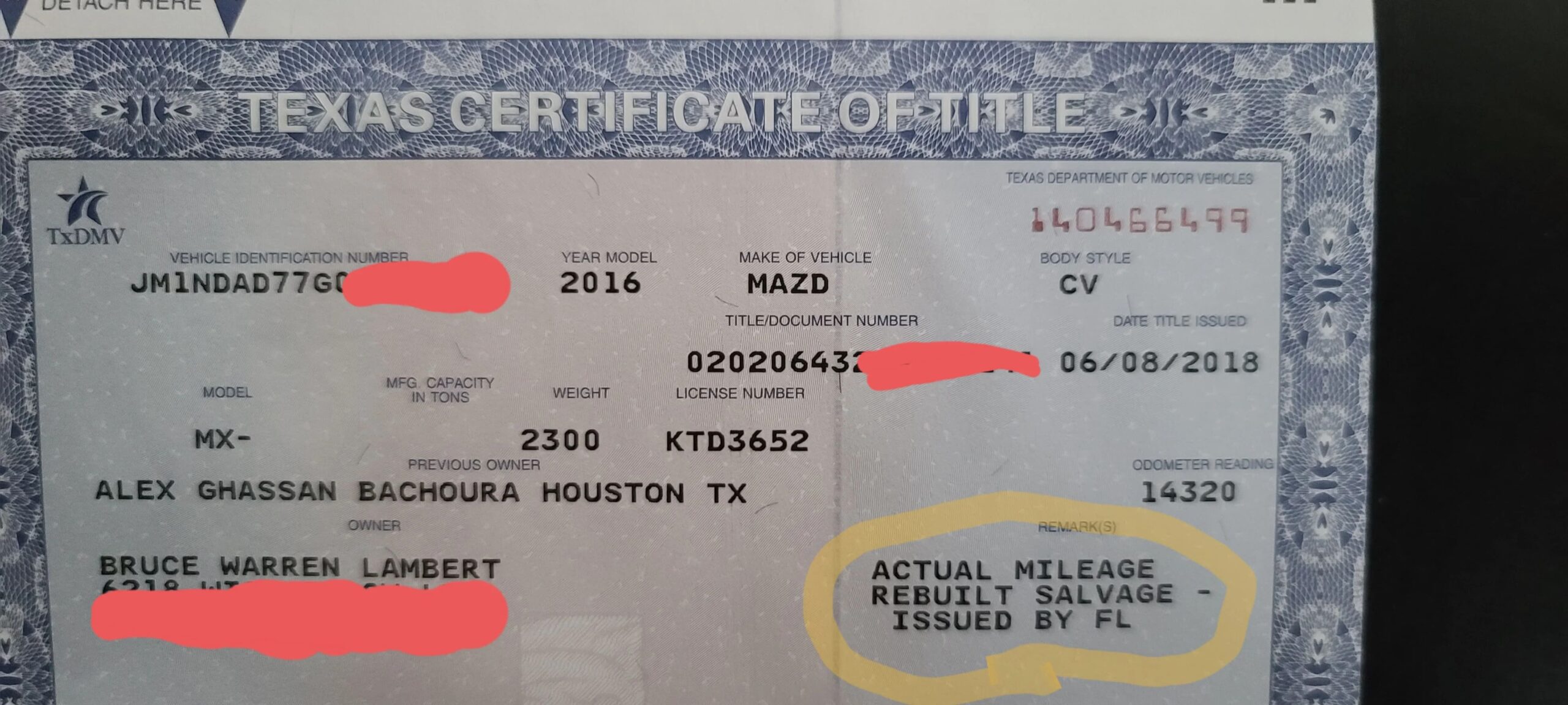 Branded Title Near Me[/caption]
In the automotive industry, branded titles carry significant weight in determining a vehicle’s value, history, and overall trustworthiness. Whether you are a car buyer or vehicle vendor, understanding the types of branded titles is critical for making informed decisions, avoiding hidden pitfalls, and maintaining transparent business practices.
This comprehensive guide will walk through the key types of branded vehicle titles, what each means, how they affect a car’s worth, and what both buyers and sellers need to know to navigate title classifications confidently.
What Is a Branded Title?
A branded title is a legal designation issued by a state Department of Motor Vehicles (DMV) that indicates a vehicle has sustained damage or has a history that affects its safety, integrity, or value. Unlike a clean title, which shows no significant issues, a branded title signals that the vehicle has undergone events such as major accidents, theft, flooding, or structural repair.
These brands stay on the vehicle’s record permanently and are crucial in evaluating risk, resale value, and insurability.
Why Branded Titles Matter for Buyers and Vendors
For buyers, branded titles are red flags that require closer inspection. For vendors, understanding and disclosing branded titles is not only ethical but often legally mandated.
For Buyers:
Helps assess potential repair costs
Impacts insurance eligibility
Affects resale potential
For Vendors:
Required for legal compliance
Affects market value and pricing
Impacts customer trust
1. Salvage Title
A salvage title is issued when a car has been declared a total loss by an insurance company, often due to severe damage from an accident, natural disaster, or vandalism.
Key Facts:
The vehicle is considered unsafe or uneconomical to repair
Often sold at auction for parts or restoration
Cannot be driven legally until rebuilt and inspected
Impact:
Buyers must be cautious. A salvage car may be restored and later rebranded as rebuilt, but underlying structural issues may persist. Vendors must disclose this.
2. Rebuilt or Reconstructed Title
This title is granted after a salvage vehicle has been repaired and passed safety inspections. While it can be legally driven, the car’s history of major damage remains on record.
Key Facts:
Must pass state inspection to qualify
Still carries a lower resale value
May face insurance limitations
Impact:
Buyers should request detailed repair documentation. Vendors should maintain transparent records and offer warranties when possible.
3. Flood or Water Damage Title
Issued when a car has sustained significant water damage, typically from floods, hurricanes, or submerged incidents.
Key Facts:
Electrical systems and internal components may be compromised
Damage may not be visible externally
Risk of corrosion and mold long term
Impact:
Flood-damaged cars often have persistent mechanical and electrical issues. Buyers should be extremely cautious, and vendors must provide honest disclosure, including service records and flood reports.
4. Lemon Title
This title is applied to vehicles that have had repeated, unfixable mechanical issues under warranty, classifying them as "lemons" under state laws.
Key Facts:
Often returned or replaced by manufacturers
Must meet specific criteria defined by state lemon laws
Typically affects newer vehicles
Impact:
Buyers should research state-specific lemon law definitions. Vendors selling lemon-titled vehicles should offer significant discounts and disclose repair attempts and warranty outcomes.
5. Hail Damage Title
Applies to vehicles with cosmetic or structural damage due to hailstorms, significant enough for an insurer to declare the vehicle a total loss.
Key Facts:
Often retains full mechanical function
Primarily aesthetic issues
Common in areas with frequent severe weather
Impact:
Buyers looking for bargains may find value here. Vendors can market these vehicles effectively if full mechanical integrity is intact and damage is documented.
6. Odometer Rollback or Not Actual Mileage Title
This title indicates that the odometer has been tampered with, or the true mileage of the vehicle is unknown.
Key Facts:
Affects trust and valuation
Often associated with fraud or documentation issues
Common in older used cars
Impact:
Buyers should steer clear unless there's strong service history documentation. Vendors must avoid liability by confirming mileage accuracy before sale.
7. Theft Recovery Title
Used for vehicles that were reported stolen and later recovered. Depending on the damage (or lack thereof), a theft recovery title may also carry a salvage designation.
Key Facts:
The vehicle may have been stripped or damaged
May carry salvage or rebuilt titles as a result
Requires full inspection and documentation
Impact:
Buyers must verify the title chain and repairs. Vendors should disclose the recovery date, the condition at recovery, and repairs made.
8. Junk Title
A junk title is assigned to a vehicle that is beyond repair and sold strictly for parts or scrap. It can never be registered or driven again.
Key Facts:
Cannot be rebuilt or licensed
Sold only to dismantlers or recyclers
Has zero road value
Impact:
Buyers should avoid purchasing for parts. Vendors must ensure proper transfer protocols to prevent future liability.
How to Verify a Branded Title
Whether you're buying or selling, verification is key. Follow these steps:
Run a VIN check through trusted sources like Carfax, AutoCheck, or the National Motor Vehicle Title Information System (NMVTIS).
Cross-check title status with the issuing DMV.
Inspect physical title documents for branding stamps or notations.
Request repair and insurance history reports where applicable.
How Branded Titles Affect Insurance and Financing
Insurers may refuse coverage or offer only limited policies
Financing may be denied or come with higher interest rates
Resale value is significantly reduced, affecting long-term investment
Buyers should always consult insurers before purchasing a branded-title vehicle. Vendors must be upfront to prevent legal issues and customer dissatisfaction.
Conclusion: Know the Title Before You Buy or Sell
Understanding the types of branded titles is essential for protecting your investment as a buyer and maintaining ethical standards as a vendor. These designations are not just bureaucratic terms—they reveal a vehicle’s true history and future risks.
Whether the title reads salvage, rebuilt, flood, lemon, or theft recovery, ensure all details are transparent, verifiable, and well-documented. When in doubt, always conduct a professional inspection and run a full VIN history report.


Comments
Post a Comment